
Are you Breaking up with me? It’s Not Me, It’s You — Changing Guest Expectations in Hospitality.
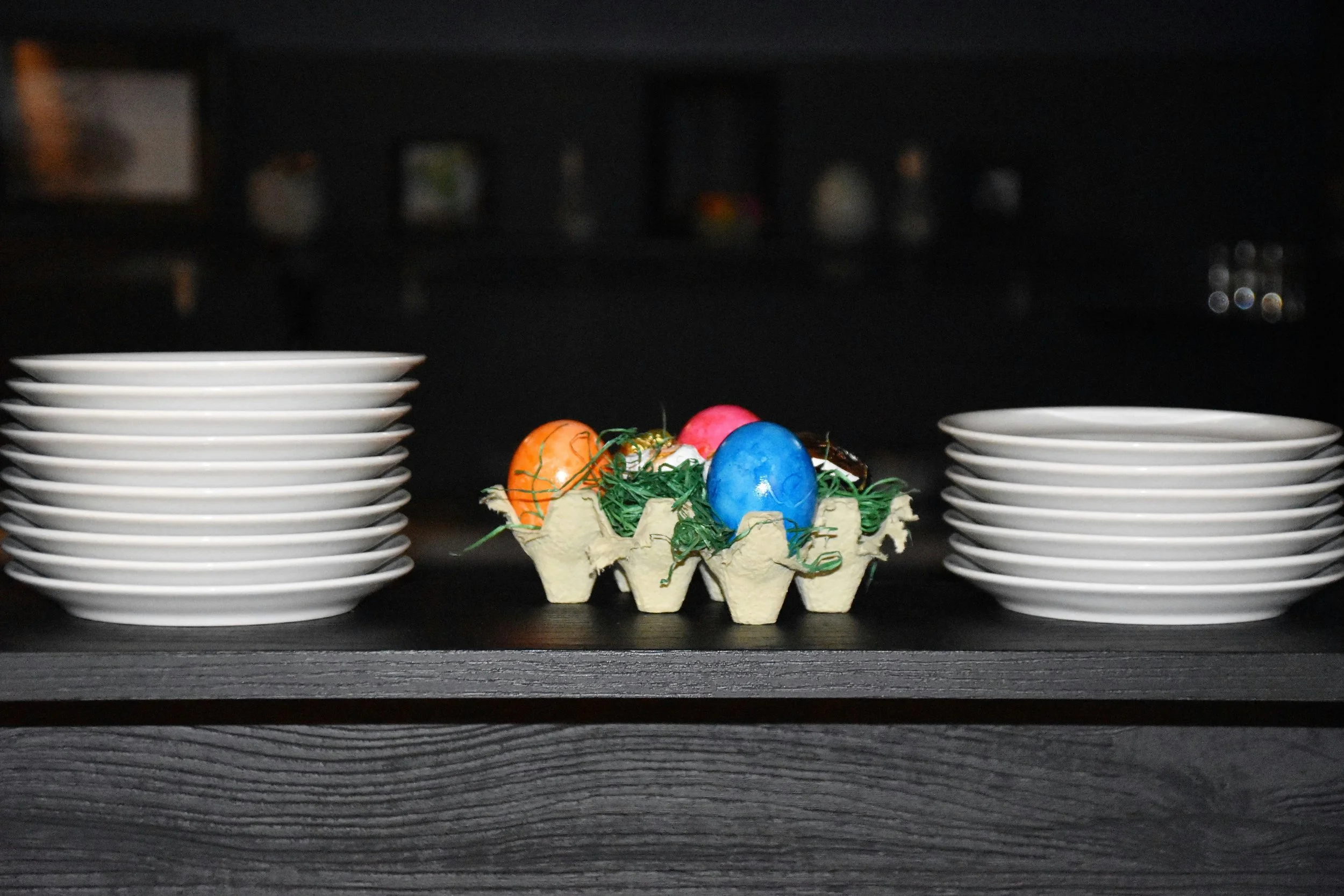
Changing guest expectations in hospitality is one of the most important structural shifts affecting hotels, restaurants, and resorts today because it directly shapes revenue planning, concept development, technology investment, and how food and beverage programming must evolve. As spring approaches, Easter and Mother’s Day reveal just how dramatic these shifts have become. These two dates have traditionally been high-volume days, but recent consumer data shows they now represent something much larger: they are evidence of a guest mindset that has permanently changed.
The modern guest wants something hotels historically were not structured to deliver—an experience worth remembering, and one worth spending more for. Industry research shows that 61 percent of consumers will pay more for personalized experiences, and 68 percent express stronger loyalty to brands that tailor service to their preferences. Another 52 percent are willing to share personal data—dietary restrictions, room preferences, celebration notes—if it creates a better experience during their stay. These preferences are reshaping not only the hotel stay itself, but how guests choose where to celebrate life’s most meaningful moments.
Nowhere is this more visible than on Mother’s Day, which consistently ranks as the single busiest restaurant day of the year, surpassing even Valentine’s Day in total dining traffic. National studies show 34 percent of American adults dine out for Mother’s Day, and an estimated 92 million people engage with restaurants through dine-in, takeout, or delivery on that day alone. Restaurants experience 14 percent higher transaction volume and up to 34 percent higher average checks compared to typical Sundays, with sparkling wine sales increasing by nearly 99 percent in some regions. Guests are not just showing up— they are investing in the experience.
Spending intentions reinforce this. Surveys show Americans planning to treat their mothers at a restaurant anticipate spending an average of $184.90 per person on dining that day, while broader holiday research places overall per-person Mother’s Day spending at $259, with dining and experiences representing a major share. And guests are not looking for standard service: 91.8 percent say they prefer restaurants that offer exclusive Mother’s Day meals or promotions, and nearly 95 percent of those planning to dine out make reservations in advance, signaling strong expectations for curated, high-quality experiences.
Easter follows similar behavioral patterns, especially in family-oriented markets. Hotels that elevate Easter beyond the traditional buffet—adding children’s programming, chef tasting stations, spring cocktail gardens, or pastry markets—can see per-guest spending increase by 18 to 34 percent. A mid-scale brunch priced between $95 and $150 with 250 to 300 guests may generate $24,000 to $45,000 in revenue from the meal alone, yet experiential enhancements often raise total holiday performance well beyond that base range.
These numbers reinforce a larger movement in the industry. According to travel research, experience-driven travel has grown 45 percent over the past decade, with us Millennials and Gen Z—who now make up over half of global travel spending—making booking decisions primarily around the quality and uniqueness of experiences, not accommodations alone. Guests expect hotels to offer immersive, emotionally resonant encounters, not transactional dining.
Social media amplifies these expectations. Studies show that 80 percent of travelers choose hotels or restaurants based on what they see online, and guest-generated content converts 4 to 7 times more effectively than traditional advertising. Hotels hosting distinctive Easter festivals or elevated Mother’s Day programming benefit not only from immediate revenue but from organic digital visibility that reinforces brand identity long after the event ends.
The economic stakes for hotels are significant. According to CBRE, food and beverage operations account for 25 to 40 percent of total revenue in full-service hotels. Seasonal activations can account for 20 to 35 percent of annual revenue spikes, making them some of the most important financial drivers of the year. Properties that implement year-round experiential programming—including monthly dinners, chef collaborations, tasting series, and seasonal festivals—often generate $300,000 to $500,000 in incremental annual revenue, depending on size and scale.
Wellness expectations further influence spending. The wellness tourism market is projected to surpass $1 trillion, with travelers increasingly seeking dining and experiences that support well-being. Easter and Mother’s Day naturally align with these values, offering opportunities for menus and programming centered on restoration, family connection, and seasonal renewal.
Technology expectations also shape satisfaction. 71 percent of business travelers prefer mobile or self-check-in, yet hotels lacking digital frictionless systems experience up to a 12 percent reduction in intent-to-return scores. Guests want effortless transactions paired with genuine hospitality—a dual requirement that becomes especially visible on holidays when high volume magnifies operational flaws.
And sustainability remains a non-negotiable factor. More than 90 percent of travelers say ethical or environmentally conscious practices are important, and holiday events present the perfect stage for showcasing local sourcing, reduced waste, refillable amenities, and community partnerships.
Taken together, these data points make one thing unmistakably clear: guest expectations are not simply evolving—they have evolved. The industry is being judged not by how well it performs routine service, but by how thoughtfully it creates connection. The gap between hotels still offering standard brunch buffets and those delivering immersive holiday activations is widening, not because of creativity alone but because guest spending, reservation patterns, and decision-making now overwhelmingly favor experiences that feel intentional, personal, and memorable.
Hotels that embrace experiential design, personalization, digital convenience, wellness, sustainability, and social storytelling are positioning themselves not just for better holiday performance but for long-term relevance and revenue stability. Those that resist these shifts will continue to see declining engagement, stagnant F&B revenue, and missed opportunities during the year’s most profitable moments.
Because the future of hospitality is no longer about filling rooms. It is about creating experiences that give people a reason to gather, celebrate, return—and remember
Sources:
• Restaurant Industry Mother’s Day Dining Data: “Research finds 92M Americans to dine out on Mother’s Day.” Feedstuffs https://www.feedstuffs.com/agribusiness-news/research-finds-92m-americans-to-dine-out-on-mother-s-day
• National Restaurant Association Mother’s Day Insights: “Restaurants to play big role on Mother’s Day.” NRA https://restaurant.org/education-and-resources/resource-library/restaurants-to-play-big-role-on-the-mother-of-all-dining-out-days/
• Busiest Restaurant Days of the Year: “Busiest Restaurant Operating Days.” Paytronix https://www.paytronix.com/blog/busiest-restaurant-operating-days-of-the-year
• Transaction Uplift and Special Menu Preference Data: “Mother’s Day Dining Out Survey (USA).” Snappy – Restaurant Survey https://gosnappy.io/blog/mothers-day-dining-out-survey-usa
• Average Spend and Guest Behavior: “Mother’s Day 2025 Dining Report.” Snappy https://gosnappy.io/blog/mothers-day-2025-dining-report
• Broader Consumer Spending: “Mother’s Day Spending Expected to Reach $34.1 Billion.” National Retail Federation https://nrf.com/media-center/press-releases/mother-s-day-spending-expected-to-reach-34-1-billion
• Holiday Revenue Spikes and F&B Contribution: CBRE
• Experiential Travel Behavior & Social Influence: Various hospitality industry experiential trend analyses.
Author
Larien D. Clark is a hospitality operations executive and interim leadership consultant with experience across hotel food and beverage operations, culinary management, and multi-unit restaurant environments. Her career spans leadership roles with major hospitality brands including Hilton, Hyatt, UCLA Hospitality, and Nordstrom Restaurants, where she has managed high-volume kitchens, banquet operations, and complex service teams. Clark’s work focuses on operational stabilization, leadership development, and rebuilding systems in departments experiencing high turnover or structural disruption. She writes about workforce dynamics, management accountability, and operational strategy in the hospitality industry.